

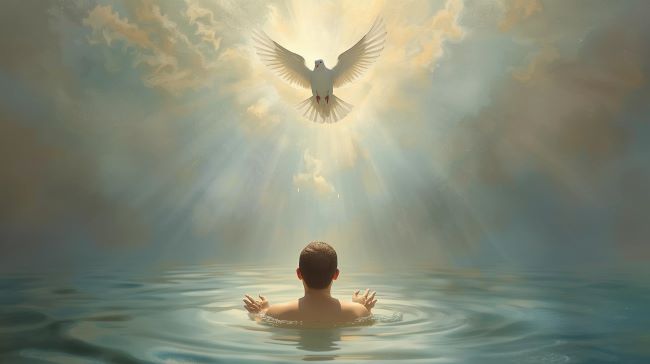
Exploring the profound significance of the Holy Spirit in the Sacrament of Baptism and its transformative power, we delve into the essence of Christian initiation and spiritual renewal. Understanding the distinction between water baptism and baptism in the Holy Spirit is crucial for believers seeking a deeper connection with God. Let's embark on this journey of faith.
The sacrament of baptism, a cornerstone of the Christian faith, symbolizes a new birth and initiation into the Christian life. In Christian baptism, believers are immersed in water or have water poured over them, signifying cleansing from sin and identification with Jesus Christ's death and resurrection. It is through this sacrament that one publicly declares one's commitment to follow Christ.
The Holy Spirit plays a pivotal role in the sacrament of baptism, working within the individual to bring about spiritual regeneration. It is through the Holy Spirit's power that the baptized receive the gift of the Holy Spirit and are incorporated into the body of Christ. This anointing by the Holy Spirit signifies God's seal of approval and empowerment for Christian service.
Infant baptism is a practice in some Christian denominations where infants are baptized, based on the belief that God's grace extends to them even before they can consciously profess faith. Parents and godparents make promises on behalf of the child, expecting that the child will later confirm them in a personal declaration of faith.
Baptism in the Holy Spirit, also known as spirit baptism or baptism of the Spirit, is a distinct experience from water baptism, where believers receive the Holy Spirit's power for spiritual gifts and ministry. This experience, often accompanied by outward manifestations such as speaking in tongues, empowers believers to live out their faith more effectively, as evidenced in the Book of Acts.
Receiving the Holy Spirit is a transformative experience that empowers believers to live boldly and witness. When believers receive the Spirit, they are filled with divine power, enabling them to share the Gospel with confidence and demonstrate the love of Christ to the world. This experience is available to all who believe and ask.
Key scriptural references, particularly in the New Testament, notably in the Book of Acts, underscore the significance of the Spirit's baptism. John the Baptist prophesied that Jesus Christ would baptize with the Holy Spirit and fire. The apostles and disciples in the New Testament experienced an outpouring of the Spirit, demonstrating the reality of baptism in the Holy Spirit.
In conclusion, the Sacrament of Baptism and baptism in the Holy Spirit represent crucial aspects of the Christian faith. While water baptism symbolizes cleansing and identification with Christ, baptism in the Holy Spirit empowers believers with divine power for service and witness. Understanding the Holy Spirit's role is essential for all Christians.

The Gospels lay the foundation for understanding the relationship between water baptism and the Holy Spirit. John the Baptist, a pivotal figure, prophesied that Jesus Christ would baptize with the Holy Spirit and fire. After his baptism, Jesus himself was anointed by the Holy Spirit, underscoring the Spirit's role in his ministry.
The Book of Acts vividly portrays the experience of baptism in the Spirit among the early believers. The apostles and disciples receive the Holy Spirit, resulting in an outpouring of the Spirit, often accompanied by speaking in tongues and bold proclamation of the Gospel. This experience becomes a defining characteristic of the early Christian life.
Paul's epistles examine the role of the Holy Spirit in a believer's life after baptism. He emphasizes that through baptism, believers are united with Christ and receive the gift of the Holy Spirit, becoming temples of the Holy Spirit. Paul's teachings underscore the transformative power of the Spirit in shaping Christian character.
Anointing plays a crucial role in baptism, symbolizing the Holy Spirit's empowerment for Christian service. Just as Old Testament priests and kings were anointed for their roles, believers are anointed by the Holy Spirit in baptism. This anointing equips them to fulfill their calling and ministry within the body of Christ, empowered by the Spirit.
Being empowered by the Holy Spirit is essential for living out the meaning of baptism. It enables believers to manifest the fruits of the Spirit, such as love, joy, and peace, in their daily lives. Empowered by the Spirit, believers are equipped to overcome challenges, resist temptation, and bear witness to the love and grace of Jesus Christ, thereby experiencing a genuine new birth.
In some Christian traditions, the Holy Spirit plays a vital role in the sacrament of Holy Orders, where individuals are set apart for ministry. Through the laying on of hands and prayer, these individuals receive a special anointing of the Holy Spirit to equip them for their responsibilities, such as preaching, teaching, and pastoral care.
The Sacrament of Baptism and baptism in the Holy Spirit are distinct yet interconnected experiences in the Christian faith. Water baptism symbolizes cleansing, while baptism in the Spirit empowers believers with divine power. Understanding the Holy Spirit's role enriches the Christian life, fostering a deeper connection with God and enabling the reception of the Holy Spirit's baptism.
Understanding the role of the Holy Spirit in baptism has practical implications for believers. It encourages them to pursue a deeper relationship with God, cultivate spiritual gifts, and live lives of faith and service. Believers are called to continually yield to the Spirit's leading, allowing Him to transform them into the likeness of Christ.
All believers are encouraged to seek the Holy Spirit and receive the Spirit. Just as the apostles and disciples in the New Testament experienced an outpouring of the Spirit, believers today can also experience the transformative power of the Holy Spirit. Through prayer, faith, and obedience, believers can position themselves to receive the fullness of the Spirit.
A child of God should rule his world and be on top of circumstances.

